

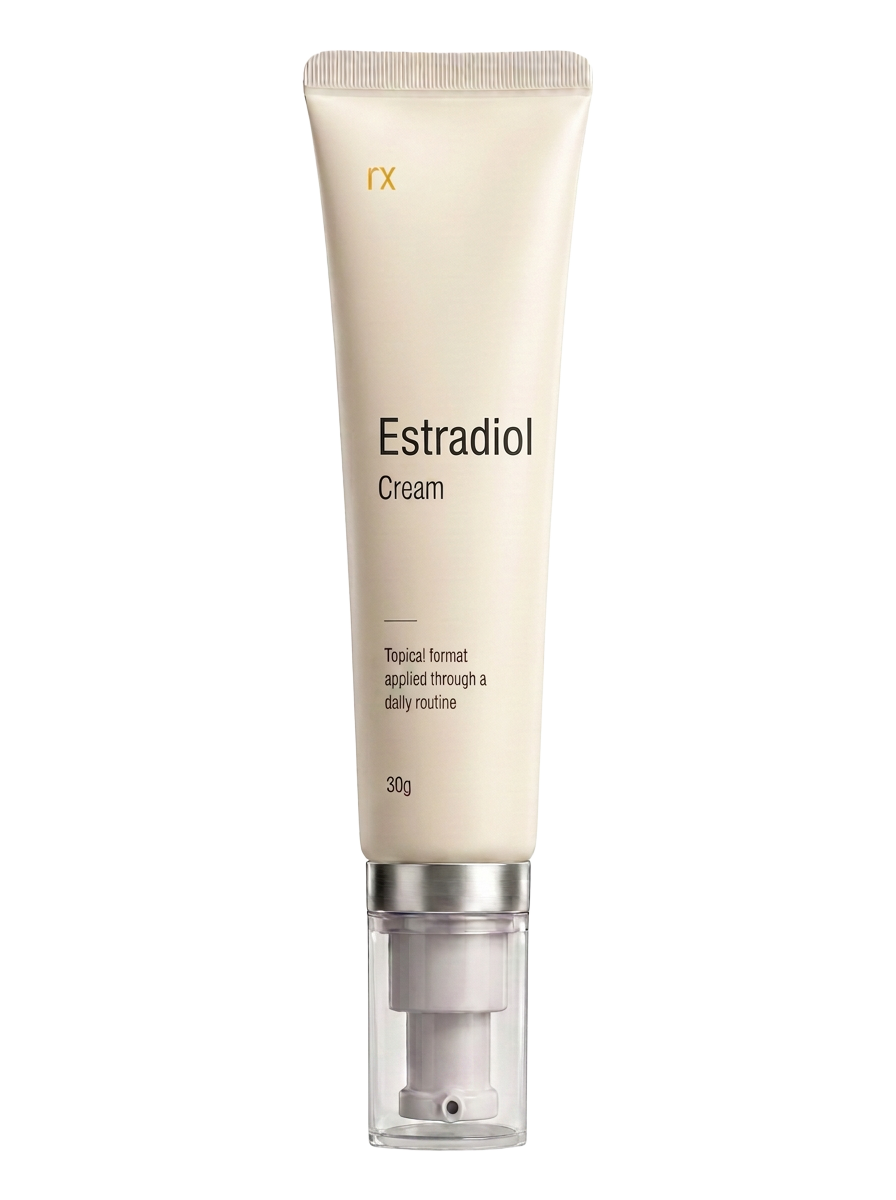
Estradiol Cream
Estradiol cream is a compounded, physician-prescribed topical form of estradiol — the main form of estrogen the ovaries make before menopause. Applied to the skin, it absorbs transdermally to help ease hot flashes, night sweats, sleep disruption, vaginal dryness, and other menopause-related symptoms. Because it bypasses the liver's first pass, transdermal estradiol has a different clotting-risk profile than oral estrogen. Not FDA-approved. Intended for physician-supervised use.
Physician-designed
Board-certified doctors · all necessary supplies included
Benefits
How HRT can help
Hormone shifts can affect more than you think. HRT may help restore your balance and improve quality of life.
Benefits
How HRT can help
Hormone shifts can affect more than you think. HRT may help restore your balance and improve quality of life.
- 01
Ease hot flashes and night sweats
Estradiol acts on temperature control pathways, easing hot flashes and night sweats when medically appropriate.
- 02
Support sleep, mood, and skin
Restoring estrogen can improve sleep quality, mood stability, and skin hydration for many patients.
- 03
Relieve vaginal dryness and discomfort
Applied topically or vaginally, low-dose forms may relieve dryness, irritation, and discomfort where you feel it.
- 04
Help protect bone density over time
May help slow bone loss after menopause when other options aren't appropriate.
- 05
Flexible transdermal dosing
Cream bypasses the liver's first pass, allowing flexible physician-set dosing.
How Happy Labs works
A whole clinic, on your phone.
- Step 01
Choose your treatment
Select the program that fits your goals.
- Step 02
Complete your evaluation
Answer a medical intake for physician review.
- Step 03
Complete labs when required
At-home lab kit shipped to your door.
- Step 04
Physician review
Your intake and labs are reviewed.
- Step 05
Treatment delivered
If approved, your medication ships to you.
Questions
About Estradiol Cream
If your question isn't here, your physician is one message away after you start your intake.
Estradiol cream is a compounded topical form of estradiol — the main form of estrogen the ovaries make before menopause. Applied to the skin, it delivers estradiol transdermally, avoiding first-pass metabolism through the liver. It is prescribed to help replace some of the estrogen that drops during perimenopause, menopause, or after ovary removal when medically appropriate. This is a physician-supervised, not FDA-approved compounded product.
Estradiol cream is commonly used for moderate to severe hot flashes, night sweats, sleep disruption, and other systemic menopause symptoms, and — at lower localized doses — for vaginal dryness, painful sex, and urinary irritation. It may also help protect bone density after menopause when other options aren't appropriate. The right use depends on your symptoms, age, uterus status, and safety risks.
Estradiol absorbs through the skin into the bloodstream and binds to estrogen receptors throughout the body, helping estrogen-sensitive tissues function more normally. That can calm the body's temperature control (reducing hot flashes), support vaginal and urinary tissue health, and improve sleep and mood for many patients. Topical delivery tends to produce steadier levels than oral dosing.
The cream lets your physician dial in small, precise doses and adjust easily. Because it's transdermal, it bypasses the liver's first pass — which has a different risk profile than oral estrogen, particularly for clotting. A patch offers similar transdermal delivery in a set-it-and-forget-it format; the cream offers more dose flexibility. Your physician recommends the form that fits your symptoms, skin, lifestyle, and risks.
You may be a candidate if you have symptoms consistent with low estrogen — hot flashes, night sweats, vaginal dryness, painful sex, urinary discomfort, or menopause-related sleep disruption. Your physician will also review your age, time since menopause, uterus status, cancer and clotting history, cardiovascular and liver health, blood pressure, and medications.
Estradiol may not be appropriate if you have unexplained vaginal bleeding, known or suspected breast cancer or other estrogen-sensitive cancer, active or past blood clots, recent stroke or heart attack, significant liver disease, or serious allergic reactions to estradiol products. It is generally avoided in pregnancy, when trying to conceive, or while breastfeeding unless specifically directed by your clinician.
If you still have a uterus and are using systemic estradiol (including systemic-dose cream), you generally need progesterone as well. Progesterone protects the uterine lining from being overstimulated by estrogen, which can otherwise lead to abnormal thickening and, over time, increased risk of uterine cancer. Patients without a uterus may not need progesterone — your physician makes the call.
You apply a measured dose to clean, dry skin — commonly the inner thigh, inner arm, or lower abdomen — rotating sites as directed. Let it dry fully before dressing, and wash your hands after application. Don't apply extra to 'catch up' on a missed dose. Your physician sets the exact strength, dose, site, and schedule.
Yes — topical estradiol can transfer through skin-to-skin contact before it fully absorbs. Wash your hands after applying, let the site dry completely, and cover the area with clothing when there's any chance of contact with children, pregnant women, or a partner. Avoid applying just before intimate contact at the same site.
Not always. Many menopause symptoms can be diagnosed from age, menstrual history, and symptoms alone. Labs are helpful when the picture is confusing, when periods are still occurring, when early menopause is suspected, when multiple hormones are being used, or when you also have fatigue, low libido, weight changes, hair loss, or thyroid concerns. We use labs when they add value, not to create extra steps.
Hot flashes and night sweats may ease within a few weeks, though full benefit can take longer. Vaginal and urinary symptoms often take several weeks to a few months. Changes are usually gradual — tracking symptoms weekly gives a better read than judging day by day. If symptoms don't improve, your physician can adjust dose, site, or route.
Common effects can include breast tenderness, headache, nausea, bloating, spotting, mood changes, and skin irritation at the application site. Many improve with time or dose adjustment. Seek urgent care for chest pain, shortness of breath, one-sided leg swelling, sudden severe headache, weakness on one side, vision changes, or signs of a serious allergic reaction.
Breast cancer risk depends on personal and family history, treatment type, duration, dose, and whether progesterone is used. Blood clot risk depends on your history and the route of estrogen — transdermal forms (like cream and patch) don't carry the same clotting risk profile as oral estrogen. Tell your physician about past clots, clotting disorders, smoking, migraines with aura, major surgery, stroke, heart attack, or a strong family clotting history. A responsible clinic will never claim estradiol has zero risk.
No. Don't increase, decrease, or stop estradiol without medical guidance. Too little may not help; too much can increase side effects, bleeding, breast tenderness, headaches, and safety risks. Dose changes should be based on symptoms, side effects, route, risk factors, and sometimes labs — the first dose is rarely the final dose.
There is no single right duration. Some patients use estradiol short term during the most intense menopause symptoms; others stay on longer if symptoms continue and benefits outweigh risks. Treatment should be reviewed regularly — dose, route, side effects, bleeding, breast health, cardiovascular risk, and personal preferences all factor in.
Yes, in some patients. Estradiol is often paired with progesterone in patients with a uterus, and may be combined with carefully dosed testosterone when low libido remains after dryness, pain, sleep, and mood are addressed. Combining hormones always requires physician oversight and appropriate labs.
Contact us for unexpected bleeding, breast changes, severe headaches, mood changes, skin reactions at the site, pelvic pain, leg swelling, chest pain, shortness of breath, or any symptom that feels concerning. Also reach out if symptoms haven't improved after a fair trial.
Discreetly, in plain packaging, from a licensed 503A compounding pharmacy. Most orders ship in 24 to 48 hours after physician approval.
If a physician reviews your intake and does not approve you for treatment, your medication cost and doctor consultation fee are fully refunded. For Testosterone (TRT) plans, lab work is non-refundable once it's ordered.
Medical disclaimer. This is a prescription therapy and should only be used under the supervision of a licensed healthcare provider. Individual results vary, and treatment decisions are based on symptoms, history, and provider evaluation. Happy Labs is not a substitute for your primary care doctor.
Complete the picture
Also in the program
Programs in the same category pair naturally. Your physician decides what fits.
hrt
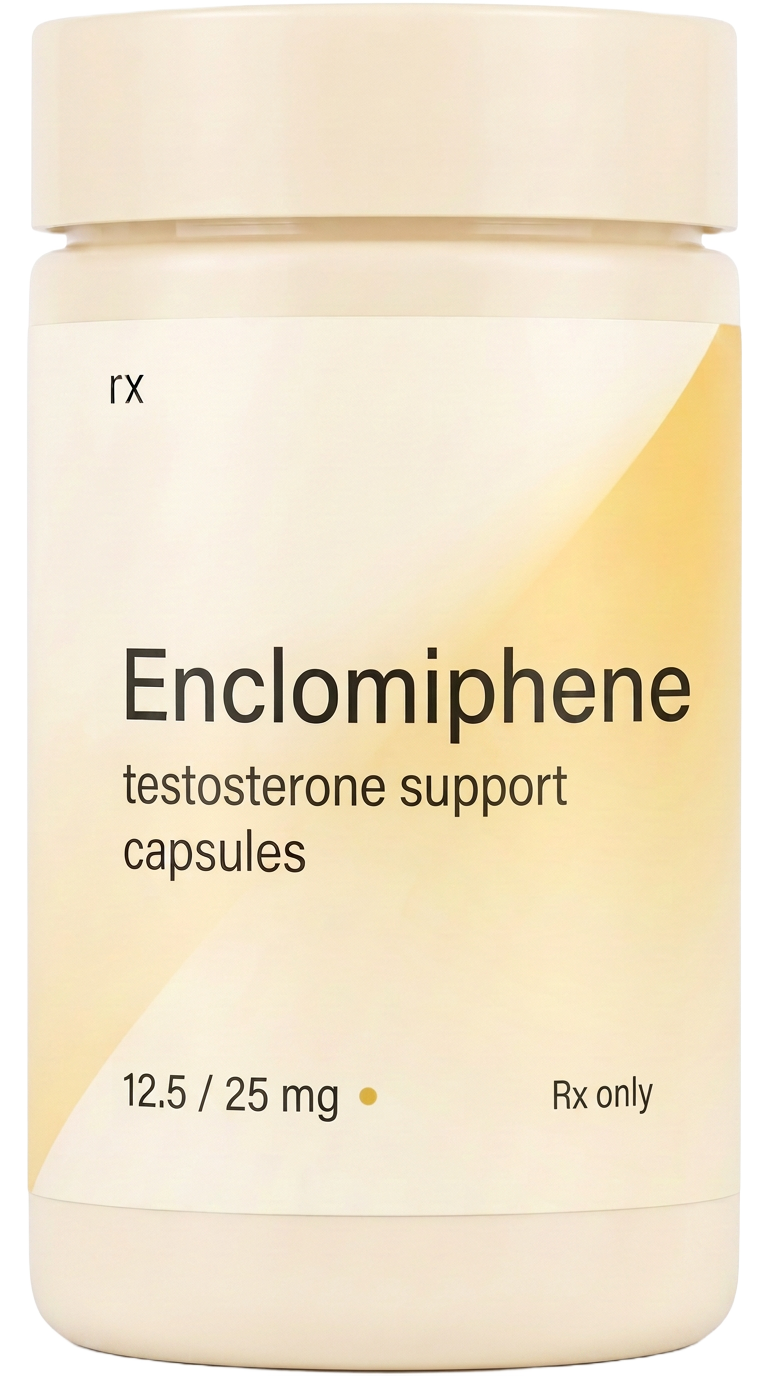
Enclomiphene
Supports testosterone production while helping preserve fertility.
See program →
hrt
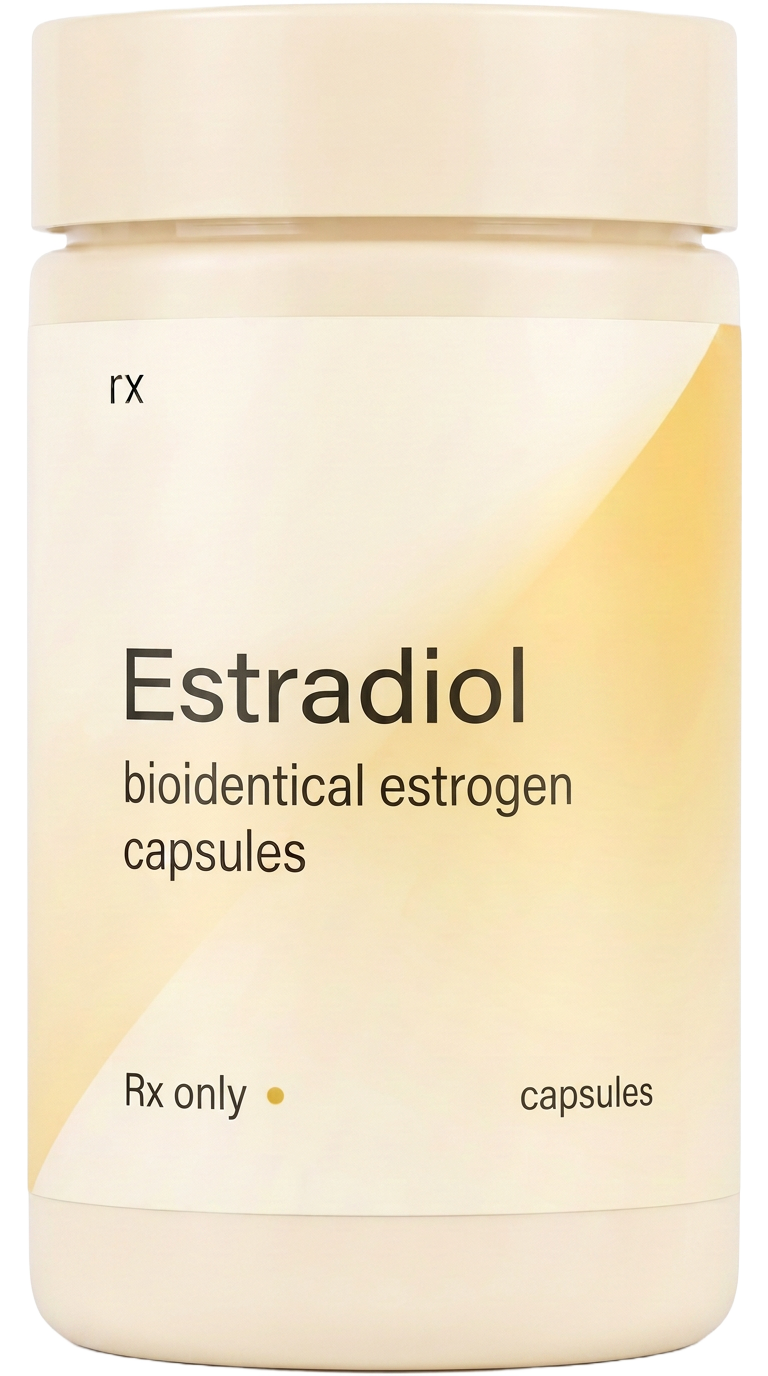
Estradiol Capsules
Bioidentical estrogen, physician guided.
See program →
hrt
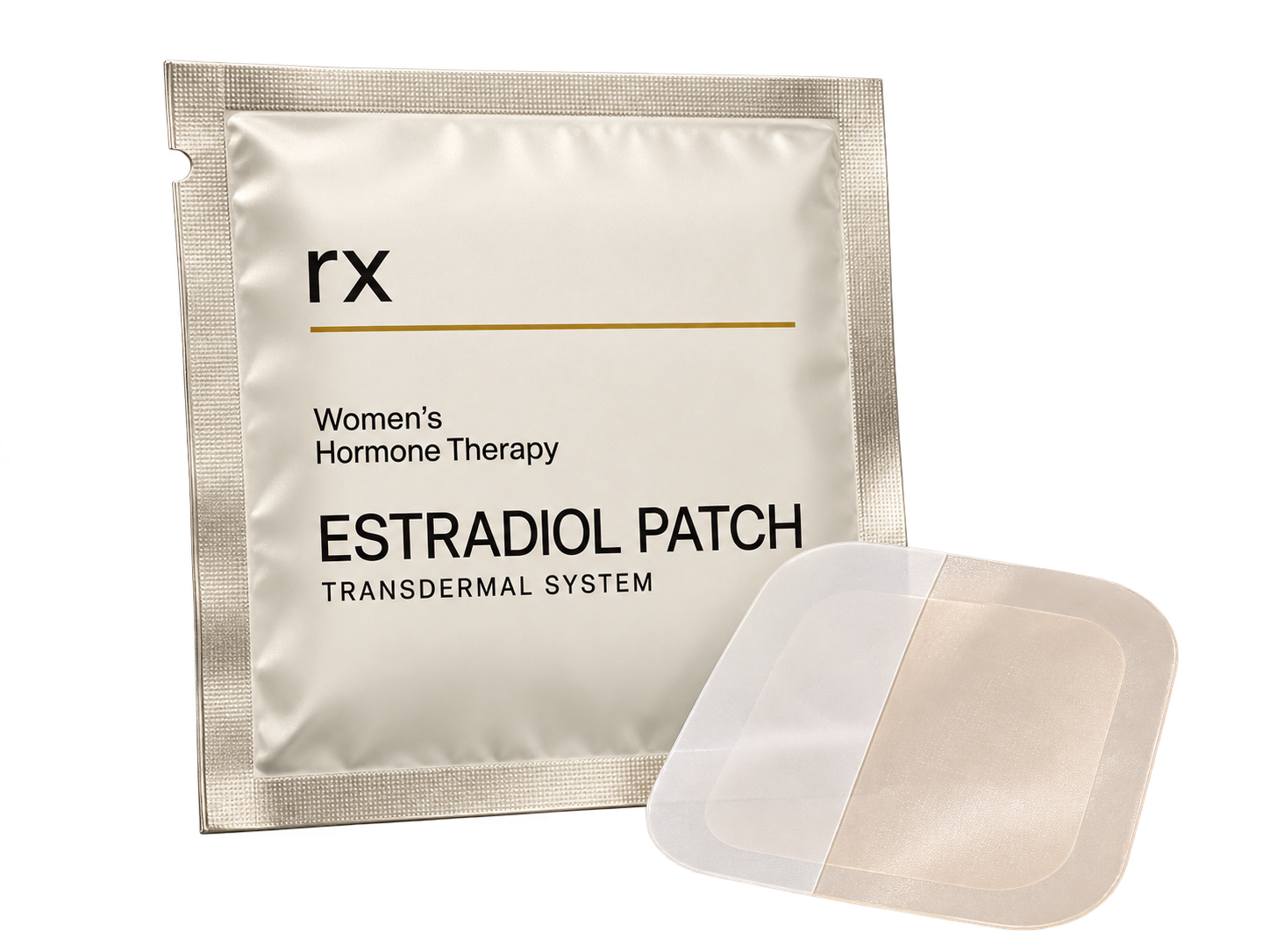
Estradiol Patch
A physician-prescribed transdermal estradiol patch worn on the skin — steady dosing that skips the liver's first pass.
See program →