
Methylene Blue
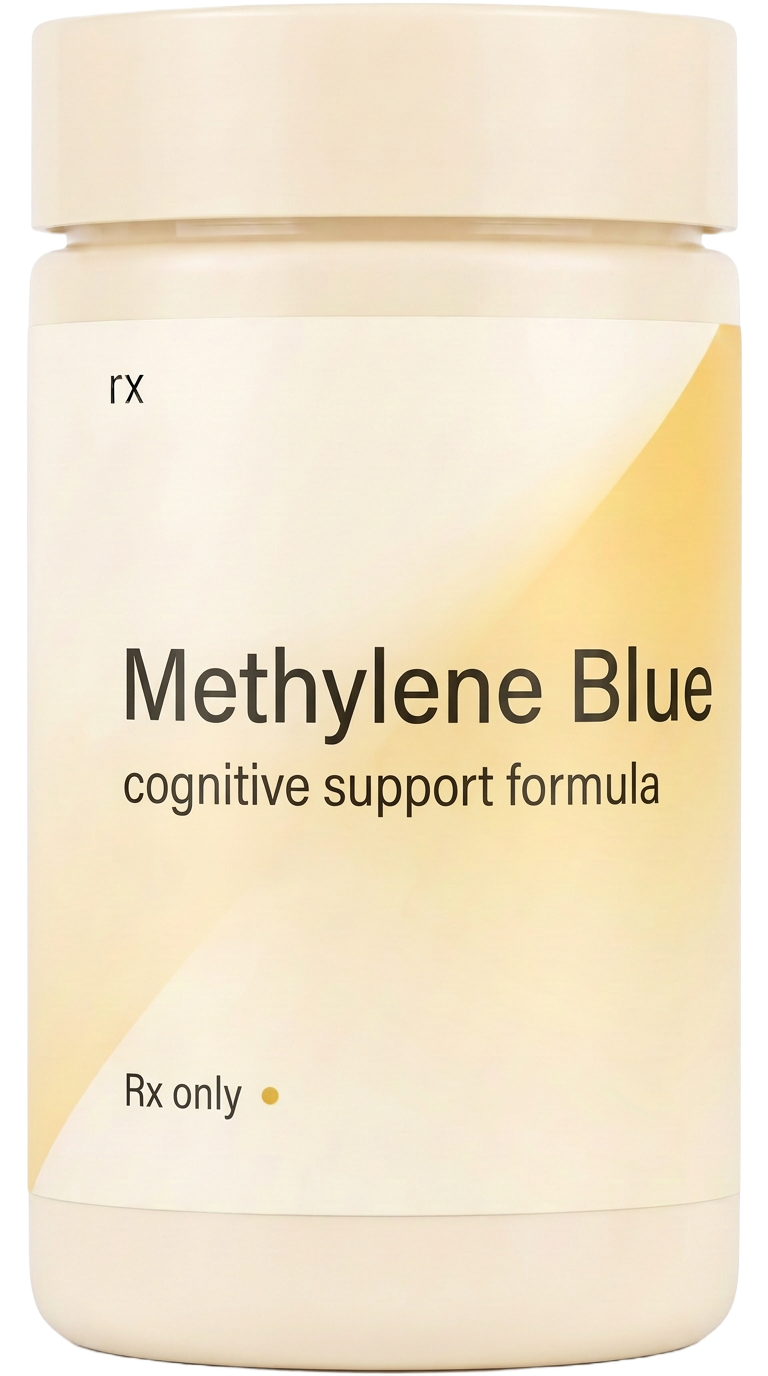
Methylene blue is a physician prescribed compound being studied for its effects on mitochondrial function and cognitive health. Not FDA-approved. Intended for physician-supervised use.
Physician-designed
Board-certified doctors · all necessary supplies included
Benefits
How Methylene Blue can help
The systems that fuel long-life energy fade with age. Targeted protocols may help restore cellular function and daily performance.
Benefits
How Methylene Blue can help
The systems that fuel long-life energy fade with age. Targeted protocols may help restore cellular function and daily performance.
- 01
Cellular energy
Longevity protocols target the mitochondrial and metabolic pathways that fade with age. Many patients report sharper focus and steadier energy.
- 02
Recovery and sleep
Better recovery and deeper sleep are common early signals when the protocol is dialed in.
- 03
A long view of health
These programs are about prevention. Your physician reviews lab work and adjusts the plan over time.
How Happy Labs works
A whole clinic, on your phone.
- Step 01
Choose your treatment
Select the program that fits your goals.
- Step 02
Complete your evaluation
Answer a medical intake for physician review.
- Step 03
Complete labs when required
At-home lab kit shipped to your door.
- Step 04
Physician review
Your intake and labs are reviewed.
- Step 05
Treatment delivered
If approved, your medication ships to you.
Questions
About Methylene Blue
If your question isn't here, your physician is one message away after you start your intake.
Methylene Blue is a medication that has been used in medicine for many years. It was originally developed for certain blood disorders and infections, but researchers have also studied its effects on cellular energy, brain health, and oxidative stress. In wellness and longevity settings, some physicians may prescribe Methylene Blue in carefully selected patients as part of a broader health optimization plan. The goal is typically to support mitochondrial function, cognitive performance, and cellular health. Methylene Blue should only be used under medical supervision because it may interact with medications and may not be appropriate for everyone.
Methylene Blue works by affecting how cells produce and use energy. It may support mitochondrial function, which is the process cells use to create energy. Some research also suggests it may help reduce oxidative stress, which refers to damage caused by unstable molecules called free radicals. Because the brain and nervous system require large amounts of energy, some patients are interested in Methylene Blue for mental clarity, focus, or cognitive support.
Candidates are typically adults who are interested in physician-guided wellness optimization, cognitive support, or longevity-focused care. Patients usually complete a medical intake and review of medications before treatment is prescribed. A provider may recommend lab testing depending on medical history and overall goals. Not every patient is an appropriate candidate. Safety screening is important because Methylene Blue may interact with certain medications and medical conditions.
Some people should avoid Methylene Blue entirely. This may include patients taking certain antidepressants, patients with glucose-6-phosphate dehydrogenase (G6PD) deficiency, and patients with certain kidney or liver conditions. Pregnant or breastfeeding patients should discuss risks carefully with their physician. Your provider will review your medications and health history before treatment.
Results vary from person to person. Some patients report improvements in mental clarity, focus, energy, or overall wellness. Others may notice minimal changes. Factors such as sleep quality, stress, nutrition, hormone health, and underlying medical conditions may affect results. Methylene Blue should not be viewed as a miracle treatment. Most wellness programs work best when combined with healthy lifestyle habits.
Some patients report noticing changes within days, while others may require several weeks. The timeline depends on dosing, metabolism, sleep quality, nutrition, stress levels, and overall health. Your physician may adjust your plan based on your response and tolerance.
Common side effects may include nausea, stomach upset, headache, dizziness, or changes in urine color. Blue or green urine is a well-known effect and is usually harmless. Some patients may also experience temporary sweating, mild anxiety, or changes in appetite. Any severe symptoms should be reported to your physician immediately.
Yes. Methylene Blue may interact with certain antidepressants and other medications that affect serotonin levels. In rare cases, combining these medications may increase the risk of serotonin syndrome, which can be serious. Always provide your complete medication list before starting treatment.
In some cases, yes. Patients using Testosterone Replacement Therapy may also explore Methylene Blue as part of a broader wellness plan. Hormone optimization, sleep quality, exercise, and nutrition often work together to influence energy and cognitive function. Your provider can help determine whether these therapies are appropriate together.
Some patients using GLP-1 medications for weight management may ask about combining therapies. Weight loss, improved metabolic health, sleep quality, and exercise habits may all influence energy levels and overall wellness. Your provider should review all medications to ensure the combination is appropriate.
Yes. Women may be candidates for Methylene Blue depending on their health history and goals. Hormonal changes, stress, sleep quality, and nutritional status may all affect symptoms related to fatigue or cognitive function. Women who are pregnant or breastfeeding should discuss risks carefully with their provider.
Yes. Men commonly ask about Methylene Blue for focus, energy, and wellness optimization. In some cases, providers may also evaluate testosterone levels, metabolic health, sleep quality, and cardiovascular risk factors. Addressing underlying health issues often improves overall outcomes.
Some patients may require lab testing depending on their health history, medications, and treatment goals. Bloodwork can help identify hormone imbalances, nutritional deficiencies, inflammation, metabolic concerns, or other issues contributing to symptoms. Comprehensive lab analysis helps create a safer and more personalized treatment plan.
Moderate alcohol use may still be possible for some patients, but alcohol can affect sleep quality, energy levels, hydration, and overall wellness. Heavy alcohol use may also increase the risk of side effects or reduce the effectiveness of wellness programs. Discuss alcohol habits honestly with your provider.
In most cases, yes. Patients should store medication according to provider instructions and keep it in its original container when traveling. Extreme heat, direct sunlight, or freezing temperatures may affect medication stability. If traveling internationally, check local regulations before bringing medications.
Stopping Methylene Blue does not usually cause dependency or withdrawal. However, any benefits you experienced may gradually fade over time. Your provider can help determine whether ongoing therapy is appropriate for your goals.
Long-term safety depends on the patient, dose, medical history, and monitoring plan. Ongoing physician supervision is important, especially for patients using multiple medications or managing chronic conditions. Your provider may recommend periodic follow-up visits and lab monitoring.
Healthy sleep, regular exercise, hydration, stress management, and balanced nutrition may all support better outcomes. Patients who address underlying hormone health, cardiovascular fitness, and metabolic health often report broader improvements in wellness. Methylene Blue is generally most effective when used as part of a complete wellness strategy.
Many patients taking Methylene Blue are also taking other prescription medications or supplements. A full medication review is essential because certain combinations may increase side effect risks. Never start treatment without discussing all medications, vitamins, and supplements with your provider.
No legitimate medical provider should present Methylene Blue as a miracle cure. While research into mitochondrial and cognitive support is ongoing, results vary between individuals. A trustworthy clinic focuses on realistic expectations, safety, and physician-guided care.
Fact: Response times vary significantly between patients.
Fact: Blue or green urine is usually expected and harmless.
Fact: Higher doses may increase risks and side effects.
Fact: Some supplements may still interact with medications.
Fact: Good sleep remains essential for health.
Medical disclaimer. This is a prescription therapy and should only be used under the supervision of a licensed healthcare provider. Individual results vary, and treatment decisions are based on symptoms, history, and provider evaluation. Happy Labs is not a substitute for your primary care doctor.
Complete the picture
Also in the program
Programs in the same category pair naturally. Your physician decides what fits.